
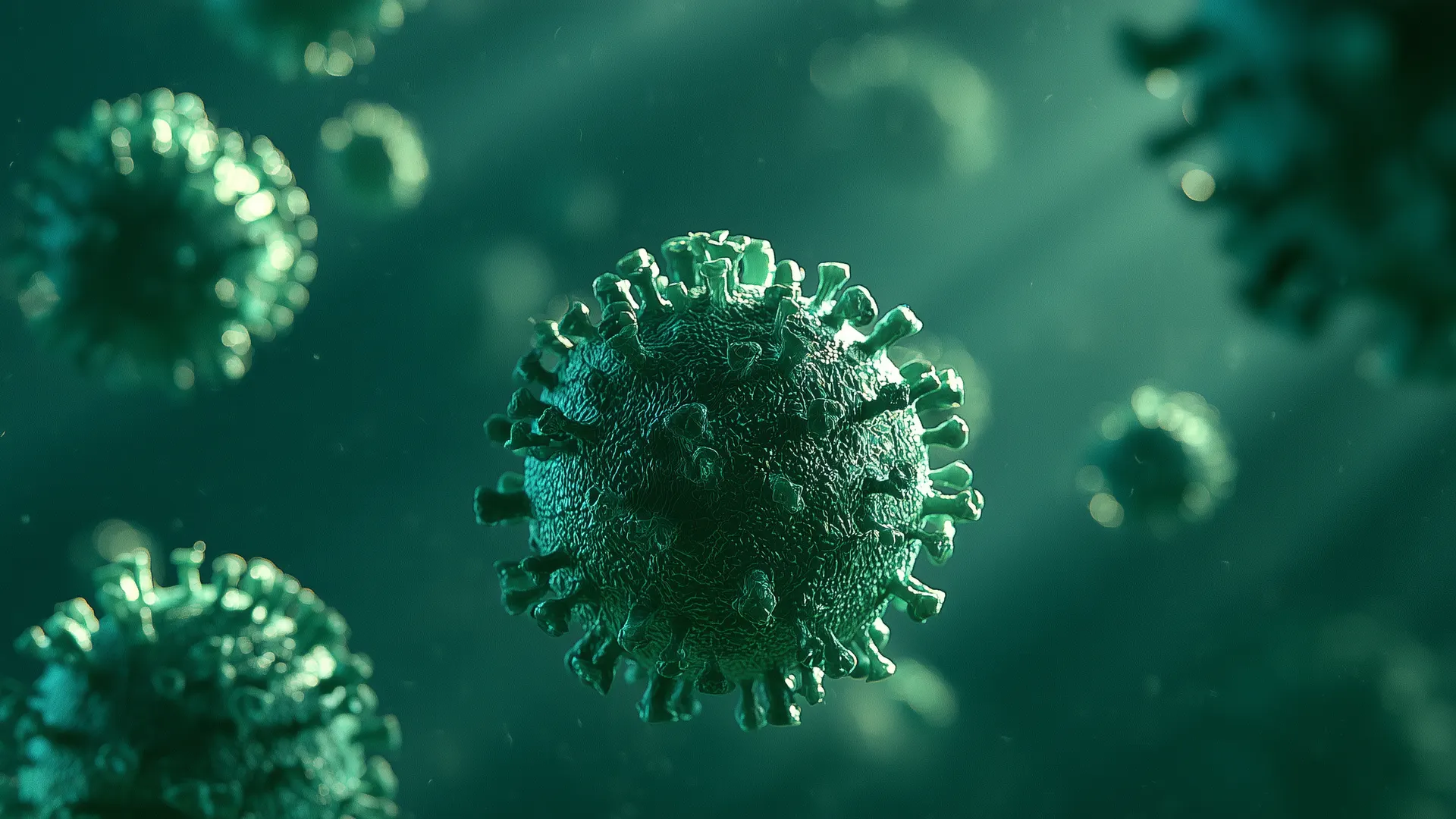
Try to survive, and don't catch a cold
It never starts with a bang. A few cases on the news, somewhere far away. Then a few more. Then one in your city. By the time everyone takes it seriously, it's already everywhere. The trick is to take it seriously a little earlier than everyone else.
Quick answer
- Stock up calmly and early: two weeks of food, water, medicine and soap.
- Wash your hands often, with soap, for at least twenty seconds.
- Keep your distance, and wear a mask in crowded places.
- Sick? Stay home, and keep away from the rest of your household.
- Listen to doctors and health authorities, not to your group chat.
Stock up, calmly
The shelves empty fast once panic kicks in, and toilet paper is apparently the first thing to go. Don't be the person fighting over the last pack. Build a small supply early: food that keeps, water, basic medicine, soap and masks.
💡Tip: aim for at least two weeks of supplies. That covers a full quarantine without having to step outside while you're sick.
Keep your distance
The virus doesn't move on its own, people move it. Every handshake, every crowded room, every unwashed hand is a free ride. Stay home when you can, keep your distance when you can't, and wash your hands like you mean it.
💡Tip: if someone in your house gets sick, give them their own room and their own towel. One sick person is a problem. The whole household sick is a crisis.
Protect your head
Weeks of isolation and a constant stream of bad news wear you down more than you'd think. Keep a routine, stay in touch with people, even if it's through a screen, and don't believe every rumor that lands in your group chat.
Keep it clean
Your hands touch everything: door handles, phones, your face. Wash them often, with soap, for at least twenty seconds. Wear a face mask when you're in crowded places or around someone who's sick, and always carry a small bottle of hand sanitizer for when there's no sink nearby.
💡Tip: keep a few spare masks and a bottle of hand gel in your bag or car. The one time you need them is always the one time you left them at home.
Myths that get people killed
Myth: "It's just a cold."
Some viruses are, some aren't. A new virus can be much more dangerous, especially for older people and people with weak health. Take it seriously a little earlier than everyone else.
Myth: "Hand gel works just as well as soap."
Soap and water are best. Hand gel is for when there's no sink nearby, and it should contain at least 60% alcohol to work.
Myth: "I feel fine, so I can't be contagious."
People can spread some viruses before they feel sick, or without ever feeling sick at all. That's why hand washing and distance matter, even when you feel great.
Myth: "Antibiotics will fix it."
Antibiotics work against bacteria, not viruses. Taking them for a virus doesn't help you, and it makes antibiotics work less well for everyone.
Myth: "Vitamin C, garlic or a hot drink will cure it."
They might make you feel a bit better, but no food or supplement cures a virus. Rest, drink enough, and call a doctor if you get worse.
Be ready before it happens
Pandemics don't start with a bang, which gives you time. Use it before everyone else does.
- Enough of your regular medicine, plus fever reducers and a thermometer.
- Find out now how to reach your doctor by phone or online, so you don't have to sit in a full waiting room.
- Keep your vaccinations up to date.
- Make a list of what everyone at home needs every day, like medicine, baby food or pet food, so nothing runs out.
- Know who will check on older family members or neighbours who live alone.
- Make sure you can work or study from home: a laptop, a charger and an internet connection.
- Save the website of your national health authority, so you know where to find reliable news.
Real story: the cook who didn't know she was sick
In the early 1900s, Mary Mallon worked as a cook for rich families in New York. Wherever she worked, people got typhoid fever. Investigators eventually traced the outbreaks back to her. The strange part: Mary herself felt completely healthy.
She was one of the first known healthy carriers: she didn't get sick, but she did spread the disease, probably through the food she made. She refused to believe it and kept working as a cook. She was linked to dozens of infections and at least three deaths, and spent the last decades of her life in quarantine on an island in New York. History remembers her as "Typhoid Mary".
💡Tip: were you told you might have been exposed? Stay home, even if you feel perfectly fine. Mary felt fine too.
Did you know?
The Spanish flu of 1918 infected around a third of the world's population. Somewhere between 20 and 50 million people died, more than in the entire First World War. Cities that closed schools and banned gatherings early had far fewer deaths than cities that waited.
Quick questions
What's the difference between quarantine and isolation?
Isolation is for people who are sick: they stay away from others. Quarantine is for people who might have been exposed: they stay home for a while to see if they get sick, so they don't spread it without knowing.
Do face masks really work?
A well-fitting mask lowers how much virus you breathe out and in. An FFP2 or N95 mask protects you better than a cloth one. It works best together with distance and clean hands.
How long should I stay home when I'm sick?
Follow the advice of your doctor and your local health authorities, because it depends on the virus. As a rule: not before your fever is gone, and never just because you're bored.
How long does a pandemic last?
Usually months to years, and often in waves. The Spanish flu came in several waves between 1918 and 1920. That's why a routine and a bit of patience are part of your survival kit.